
Broken Elbow Recovery Time: How Long Healing Really Takes
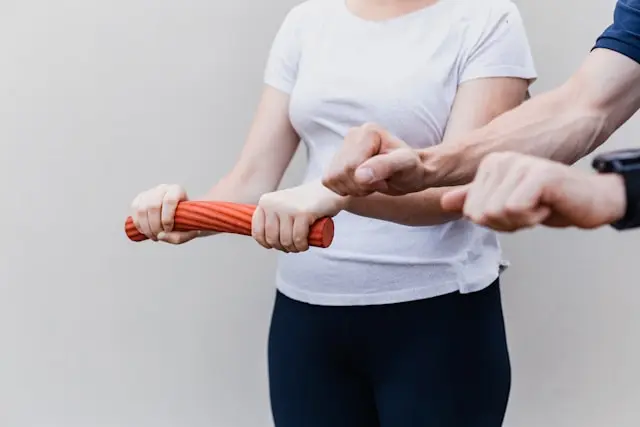

An elbow fracture affects daily function far more than most people anticipate. Because the elbow is central to almost every hand movement, even simple activities such as eating, dressing, typing, or lifting a cup become suddenly difficult after injury.
Many patients are surprised by how disabling a broken elbow can feel in the early weeks. Recovery time varies widely depending on fracture type, treatment method, age, and rehabilitation quality. Understanding realistic healing expectations reduces anxiety, prevents over- or under-loading the joint, and helps patients actively participate in their recovery rather than simply waiting for time to pass.
Beyond bone healing, elbow fractures also affect surrounding soft tissues. Swelling, scar formation, and muscle inhibition begin almost immediately after injury. If these are not managed correctly, stiffness can become a longer-term limitation even after the bone has healed. That is why modern orthopaedic care focuses not only on fracture repair, but also on preserving motion and restoring function from the earliest safe stage.
Types of Elbow Fractures
The elbow is a complex hinge joint formed by three bones — the humerus, radius, and ulna — all working together to allow smooth bending, straightening, and forearm rotation. A fracture may involve one bone or multiple joint surfaces, and this pattern largely determines both treatment approach and recovery speed. Small differences in fracture geometry can lead to very different rehabilitation timelines.
Simple fractures involve clean breaks where bone fragments remain well aligned. These generally heal reliably with protection and early guided movement. Complex fractures involve displacement, multiple fragments, or disruption of the joint surface. Because the elbow joint tolerates very little surface irregularity, these injuries require more precise management to prevent long-term stiffness or arthritis.
Clinically, elbow fractures are usually grouped into three functional categories:
- Stable fractures where bone alignment remains intact
- Displaced fractures requiring repositioning or fixation
- Joint-surface fractures that threaten smooth elbow motion
Recognizing which category a fracture falls into allows surgeons to balance two competing priorities — protecting bone healing while restoring motion early enough to avoid permanent stiffness.
Treatment Pathways
Once X-rays or CT scans define the fracture pattern, treatment follows one of two main routes. The goal is always the same: restore anatomy, protect healing bone, and introduce movement as early as safely possible.
Non-Surgical Fracture Care
Stable fractures are treated with a splint or cast that holds the elbow in a protected position while new bone forms. During this stage, pain and swelling gradually reduce, but stiffness can develop quickly if immobilisation is prolonged. For this reason, specialists aim to begin gentle guided motion as soon as X-rays confirm sufficient stability. Even small, supervised movements during early healing significantly improve final range of motion.
Surgical Fixation
Displaced or joint-surface fractures usually require surgery. Plates, screws, or pins realign fragments and restore joint contour. Accurate reconstruction is critical because even small step-offs in joint surfaces can later cause pain or arthritis. Surgical fixation has an additional advantage: it often allows controlled movement earlier than casting alone, which lowers the risk of long-term stiffness. However, surgery does not eliminate the need for rehabilitation — structured physiotherapy remains essential for optimal recovery.
Specialist follow-up throughout this process ensures that bone healing and motion recovery progress together. A dedicated elbow assessment resource outlines how modern fracture care integrates fixation techniques with rehabilitation planning. You can explore clinical management approaches through an orthopaedic elbow care overview designed around functional recovery rather than immobilisation alone.
Broken Elbow Recovery Time: Stage-by-Stage Timeline
Healing occurs in predictable biological phases. Understanding each phase helps explain why recovery cannot be rushed even when pain improves early.
Immobilisation Phase
During the first two to four weeks, the body begins forming new bone at the fracture site. A cast or brace protects alignment while swelling gradually subsides. Pain often improves during this stage, but stiffness develops rapidly if the joint remains completely still. Care teams monitor healing progress closely, because introducing movement too early risks displacement, while waiting too long increases long-term motion loss.
Early Movement Phase
Once the fracture shows early stability, controlled range-of-motion exercises begin. This phase is one of the most important in elbow fracture recovery. Gentle bending, straightening, and forearm rotation prevent scar tissue from tightening the joint capsule. At first, movement feels stiff and uncomfortable, but gradual daily practice restores flexibility while the bone continues strengthening.
Strength Recovery Phase
After six to twelve weeks, bone healing becomes solid enough to tolerate resistance exercises. Strengthening restores muscle control around the elbow and forearm. Grip strength, lifting capacity, and endurance slowly return. This stage determines when patients can resume work duties, sports, or heavier daily activities without reinjury risk.
Recovery speed varies with age, fracture complexity, general health, and adherence to rehabilitation guidance. Importantly, regaining motion usually precedes regaining strength — both must be addressed for full functional recovery.

Common Recovery Challenges
Elbow fractures are notorious for stiffness because the joint capsule tightens quickly after injury. Even small losses of motion can affect daily activities such as reaching the mouth, washing hair, or extending the arm to push up from a chair. Managing stiffness early is therefore a core focus of rehabilitation.
Typical recovery challenges include difficulty fully straightening or bending the elbow, weakness when lifting or gripping, and residual swelling after exercise sessions. Some patients also experience temporary nerve irritation from swelling or scar tissue near the ulnar nerve. Early identification of these issues allows physiotherapists to adjust exercise programs before motion loss becomes permanent.
With consistent guided therapy and appropriate progression, most stiffness can be reversed. Delayed rehabilitation, by contrast, often leads to prolonged limitations even after bone healing is complete.
When Full Function Returns
Most simple fractures regain functional range within three months, allowing return to normal daily tasks. Complex or surgically repaired fractures may require four to six months before strength and motion feel natural again. Athletes and manual workers often need additional conditioning to tolerate repetitive or high-load activities safely.
Many patients searching for recovery time for broken elbow find broad estimates online. In reality, rehabilitation quality and early movement guidance are stronger predictors of outcome than fracture type alone. For broader medical background on musculoskeletal healing and rehabilitation principles, the Mayo Clinic’s orthopaedic recovery guidance provides useful context on how controlled movement supports joint recovery across many injury types.
Patience and structured progression remain the key factors separating excellent recovery from lingering limitation.
When to Seek Follow-Up Assessment
Ongoing specialist review ensures recovery remains on track. Some setbacks are normal, but certain patterns signal the need for reassessment rather than simply waiting.
Warning features include inability to regain motion despite consistent exercises, increasing pain or swelling after initial improvement, numbness or tingling in the hand or fingers, or a feeling of joint instability. Addressing these early prevents minor problems from becoming fixed restrictions.
Regular follow-up imaging and physiotherapy review allow timely adjustment of rehabilitation plans to maintain progress safely.
Conclusion
Broken elbow recovery follows a clear biological sequence, but outcome depends heavily on correct fracture management, early controlled movement, and consistent rehabilitation. Bone healing is only one part of recovery — restoring joint motion and strength is equally important for long-term function.
With accurate diagnosis, appropriate treatment, and guided therapy, most people regain stable, pain-free elbow movement and safely return to everyday activities, work, and sport without lasting limitations.


