
Shoulder Pain When Lifting Arm: What Is Usually Injured and What to Do
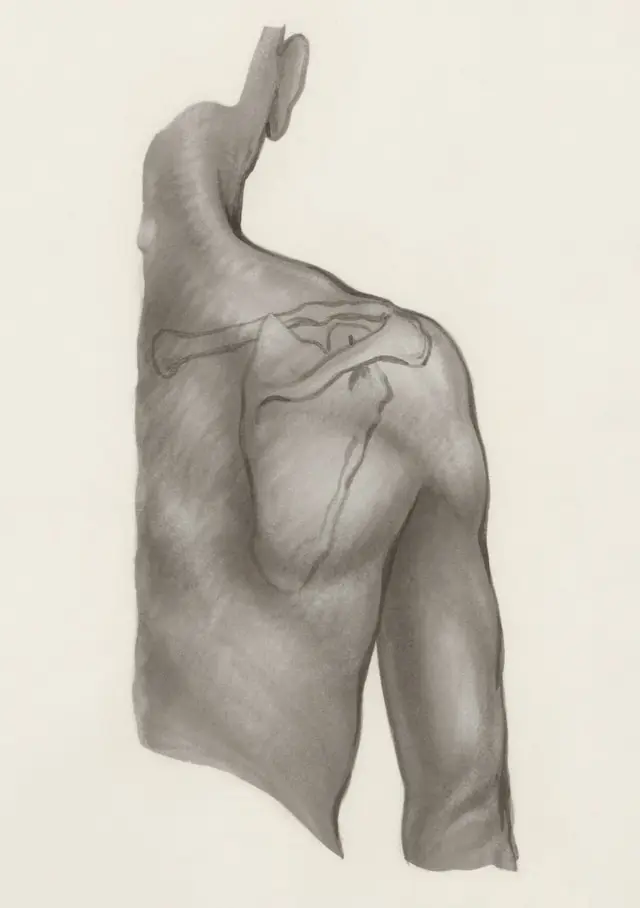

Pain when raising the arm is one of the most specific shoulder symptoms. It often signals irritation or damage in particular tendons or joint surfaces rather than general muscle soreness. Understanding why shoulder pain when lifting arm occurs helps clarify which structures may be injured and how doctors choose the safest path back to normal movement.
What Happens Inside the Shoulder When You Lift Your Arm
Lifting the arm looks simple from the outside, but internally it is a coordinated sequence of movements between the humerus, scapula, clavicle, and multiple soft-tissue layers. The rotator cuff tendons guide the humeral head smoothly inside the socket. A fluid-filled bursa reduces friction. The acromion and AC joint form a bony roof above the tendons. Small changes in alignment or tissue thickness can narrow the subacromial space and create pain.
When this delicate balance is disturbed, friction and compression occur. This is why pain in shoulder when lifting arm is often the first noticeable symptom of tendon irritation or joint inflammation. Over time, repeated strain may progress to tendon degeneration, partial tearing, or joint wear.
Specialist shoulder assessment focuses on these mechanics. A detailed clinical overview of diagnostic and treatment pathways is available through a dedicated shoulder orthopaedic resource that explains how structural causes are identified in modern practice. This helps distinguish temporary strain from injuries needing targeted care.
Shoulder Pain When Lifting Arm: Typical Injuries
Several recurring injury patterns explain most cases of pain in arm and shoulder when lifting. Each affects different tissues, yet produces similar early symptoms. Understanding their distinctions improves diagnostic accuracy.
Rotator Cuff Impingement
Impingement occurs when rotator cuff tendons or the subacromial bursa are compressed during arm elevation. Swelling narrows the space under the acromion, creating sharp pain at mid-range lift. Repetitive overhead activity, posture changes, or age-related tendon thickening often contribute.
Partial Tendon Tears
Small fiber disruptions in the supraspinatus or infraspinatus tendons may cause pain but preserve movement. Symptoms often appear as weakness or pain when lifting objects away from the body. Without proper loading control, partial tears may progress.
Calcific Tendonitis
Calcium deposits forming inside rotator cuff tendons create intense inflammatory reactions. Sudden onset of severe lifting pain is typical. This condition frequently presents as shoulder pain and popping when lifting arm because hardened deposits disturb smooth tendon motion.
AC Joint Irritation
The acromioclavicular joint absorbs load when the arm is raised. Degeneration or inflammation here produces pain on cross-body movements and overhead lifting. Tenderness is localized at the top of the shoulder rather than deep within the joint.
From a structural standpoint, clinicians typically group lifting-related shoulder pain into three explanatory categories:
- Compression of tendons or bursa within the subacromial space
- Degenerative or tearing changes in rotator cuff tissue
- Load-transfer irritation at the AC joint surface
Early practical signs suggesting a defined tissue injury rather than simple strain include:
- Reproducible pain during specific lift angles
- Weakness when holding the arm elevated
- Night discomfort when lying on the affected side
- Clicking or popping sensations during motion
From a clinical reasoning perspective, these injuries follow three predictable progression patterns:
- Inflammatory irritation that may reverse with rest and guided loading
- Structural tendon compromise requiring targeted rehabilitation
- Mechanical joint degeneration where load modification becomes essential
Further medical background on shoulder examination and imaging selection is outlined in a professional diagnostic reference explaining how physical tests and scans clarify underlying pathology.
How to Tell If It’s Serious
Not all lifting pain indicates significant damage. Mild irritation after unaccustomed activity often settles quickly. More concerning features develop when tissue integrity or joint stability is affected.
Loss of lifting strength is more important than pain alone. Inability to raise the arm smoothly suggests tendon compromise. Persistent pain lasting beyond several weeks may indicate ongoing inflammation or early degenerative change. Sudden sharp pain after trauma could reflect tearing or joint injury.
Associated features such as night pain, stiffness, or catching sensations help guide further evaluation. Distinguishing temporary overload from evolving injury prevents prolonged dysfunction.
Diagnosis in a Shoulder Clinic
Assessment begins with observation of posture and scapular control. Range-of-motion testing reveals whether limitation is due to pain inhibition or mechanical restriction. Strength testing isolates specific rotator cuff involvement. Provocative maneuvers reproduce impingement or AC joint irritation.
Imaging follows examination findings. Ultrasound visualizes tendon integrity dynamically. X-ray identifies bone spurs or AC joint degeneration. MRI provides high-resolution views of tendon fibers, bursae, cartilage, and labral structures. Selecting the appropriate modality avoids unnecessary scanning while ensuring diagnostic clarity.
Treatment Pathway
Early-Stage Treatment
Initial care aims to reduce inflammation and restore balanced shoulder mechanics. Activity modification, physiotherapy focusing on scapular stability, and progressive loading exercises help normalize tendon function. Anti-inflammatory strategies may ease acute symptoms.
When Injections Help
Corticosteroid or biologic injections may calm persistent inflammation when rehabilitation alone is insufficient. Image-guided placement improves accuracy. In calcific tendonitis, ultrasound-guided lavage can remove calcium deposits and shorten recovery.
When Surgery Is Needed
Surgical intervention is reserved for confirmed tendon tears, refractory impingement, or significant AC joint degeneration. Arthroscopic techniques allow tendon repair, bone reshaping, or deposit removal through minimally invasive access. Post-operative rehabilitation restores strength and motion gradually.
Recovery and Return to Activity
Recovery timelines depend on tissue involved. Simple impingement may improve within weeks of guided rehabilitation. Calcific tendonitis often settles after deposit resolution. Partial tears require longer structured strengthening. Post-surgical recovery typically spans several months, progressing from protected motion to resisted strengthening.
Gradual return to lifting tasks under physiotherapy guidance reduces reinjury risk. Early correct diagnosis remains the most reliable predictor of smooth recovery.
Conclusion
Pain during arm elevation is rarely random. It reflects mechanical interaction between tendons, joint surfaces, and surrounding structures inside a highly mobile joint. Rotator cuff irritation, tendon degeneration, calcific changes, and AC joint overload account for most cases of lifting-related shoulder pain.
Identifying the specific tissue involved allows treatment to target the true cause rather than simply reducing symptoms. With accurate assessment and structured management, most people regain comfortable shoulder function and safely return to everyday activity.


