
Keyhole shoulder surgery in Bath
Keyhole (arthroscopic) surgery uses a small camera and instruments, passed through small incisions, to treat problems inside the shoulder. Mr Chambler uses it for impingement, where a tendon is pinched beneath the shoulder blade, and for frozen shoulder that has not settled with other treatment. He operates at Sulis Hospital Bath and Bath Clinic.
Consulting at Sulis Hospital Bath, Bath Clinic and St Joseph's Newport
Typical ranges from the patient information leaflet. Your own plan is agreed at consultation.
Is this procedure for me?
Impingement and frozen shoulder often improve without surgery. Keyhole surgery is usually considered when symptoms have lasted several months and other treatments have not helped enough.
Usually considered when
- Pain lifting the arm or lying on the shoulder has lasted several months
- A frozen shoulder remains very stiff despite injections or hydrodilatation
- Scans show a cause that surgery can address
- Physiotherapy and injections have stopped helping
Other options first
- Physiotherapy and activity changes
- Guided steroid injections with the radiology team
- Hydrodilatation for frozen shoulder
- Time, as many frozen shoulders ease over months
Read more about shoulder impingement and frozen shoulder. Whether surgery is right for you is a decision you and Mr Chambler make together at consultation.
What happens, step by step
- Consultation and imaging
You meet Mr Chambler in clinic. He examines your shoulder and reviews X-rays, and may arrange an ultrasound or MRI scan with the radiology team. - Planning
He explains which procedure suits your shoulder: a subacromial decompression for impingement, or a capsular release for frozen shoulder. - The operation
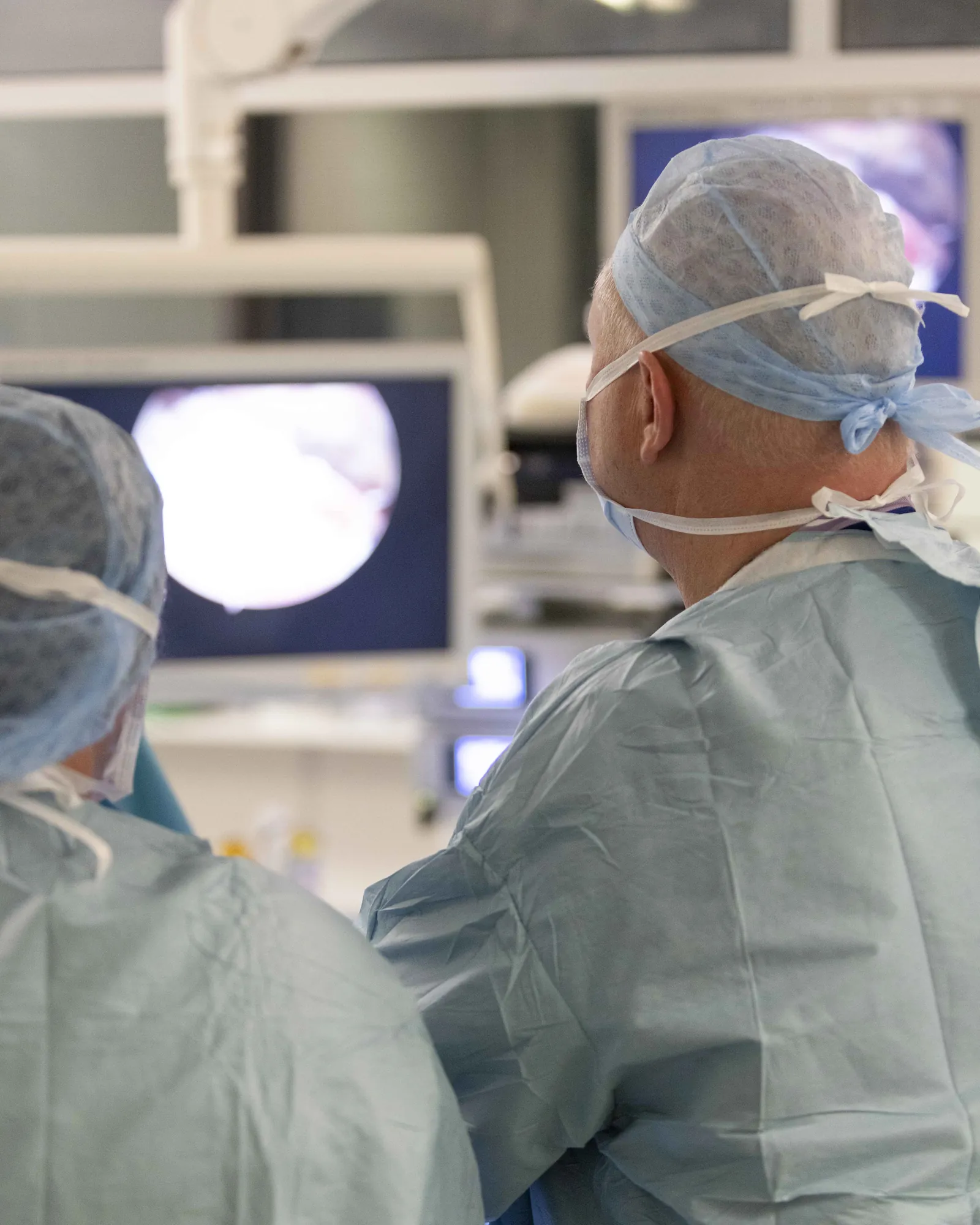
Through two or three small incisions, Mr Chambler removes the tissue pinching the tendon or releases the tight joint lining. - The same day
The nerve block keeps the arm numb for some hours. A physiotherapist starts movement exercises, often on the day of surgery. - Going home
Many people go home the same day, with pain relief and an exercise plan. - Follow-up
Mr Chambler sees you in clinic to check the wound and your movement, and again as your recovery progresses.
What it can achieve, and what can go wrong
What it can achieve
- Less pain lifting and reaching for many patients
- Better sleep
- Improved movement, particularly after release of a frozen shoulder
- Small incisions and, typically, a shorter recovery than open surgery
What can go wrong
- Stiffness, or the frozen shoulder returning
- Persistent pain
- Infection
- Nerve injury
- Bleeding or swelling
- Blood clots
- The risks of any anaesthetic
Mr Chambler discusses the figures that apply to your procedure at consultation, using published rates where they exist.
Mr Chambler goes through these with you before you decide, and you sign consent only when you are ready.
Recovery
Recovery is gradual and varies from person to person. These are typical ranges.
Week 1
Sling for comfort only, pain relief, exercises from the start.
Weeks 2 to 6
Physiotherapy builds movement. Driving and desk work for many people.
6 to 12 weeks
Most daily activities, with strength improving.
3 to 6 months
Return to sport and heavier work for many people.
Up to a year
Full benefit for many patients.
Who looks after you
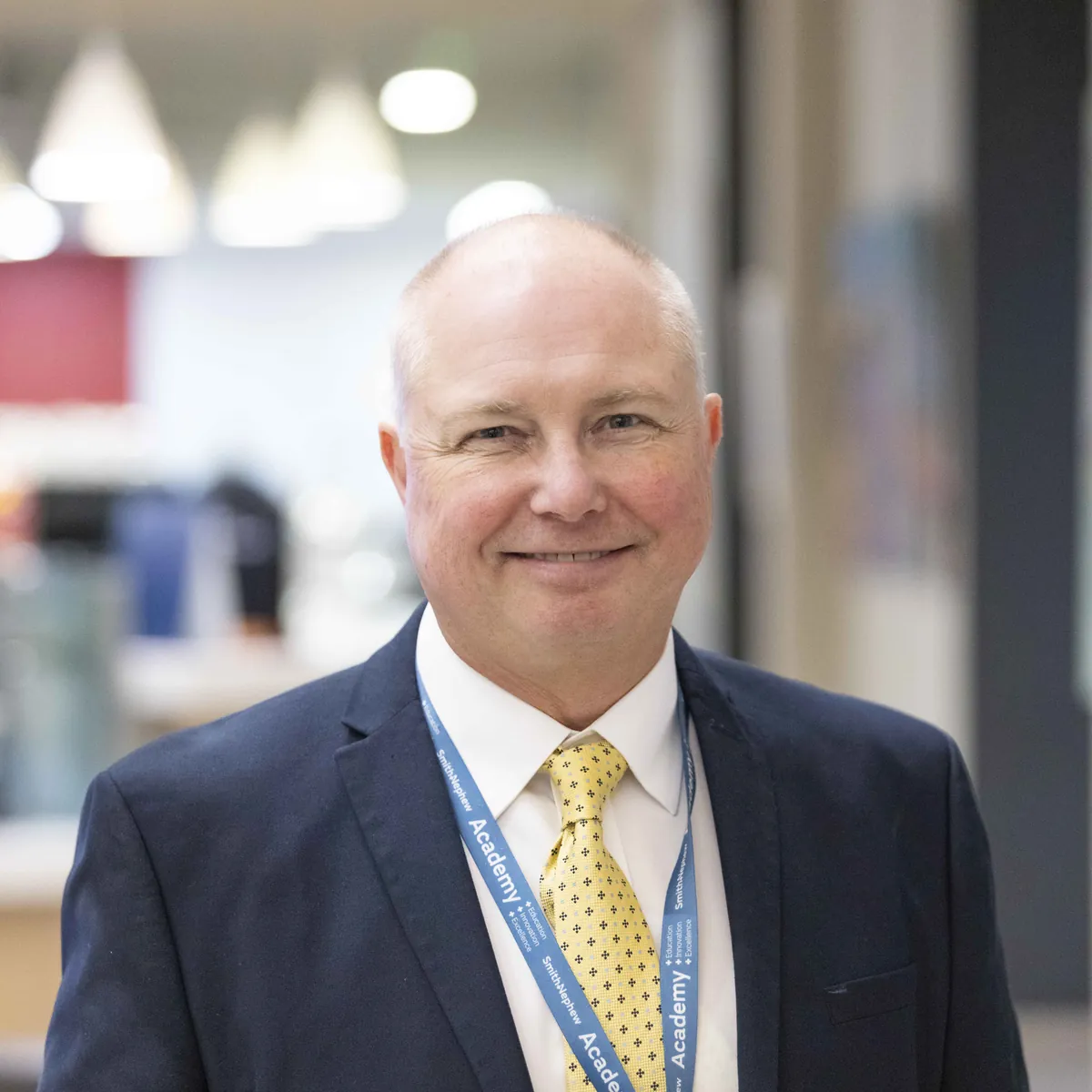
Mr Andrew Chambler
Consultant Shoulder and Elbow Surgeon since 2003
FRCS (Tr and Orth)
He sees you at every consultation and performs your operation. Around him is a small team you will meet along the way.

Radiologistscarry out imaging and guided injections.

Anaesthetistsplan your anaesthetic and nerve block and see you before the operation.

Physiotherapistsguide your rehabilitation, working to Mr Chambler's published protocols.

Pain managementspecialists are involved when it is needed.

Gail Lane's officehandles bookings, insurance and admissions.
Where it is done
Sulis Hospital Bath
Foxcote Avenue, Peasedown St John, Bath BA2 8SQ
Free parking on site.
From Bath: about 15 minutes from the city centre by car.
From Bristol: about 25 minutes from the city centre by car.
Bath Clinic, Circle Health Group
Claverton Down Road, Bath BA2 7BR
From Bath: about 10 minutes from the city centre by car, on Claverton Down.
From Bristol: about 35 minutes from the city centre by car via the A4.
St Joseph's Hospital, Newport
Harding Avenue, Malpas, Newport NP20 6ZE
Consultations for patients in South Wales.
From Bath: about an hour by car via the M4.
From Bristol: about 40 minutes by car over the Prince of Wales Bridge (M4).
Paying for treatment
Insured
Self-pay
NHS
Your self-pay quote is confirmed in writing after your consultation, once the procedure is agreed.
How soon can I be seen?
New patients are usually seen within one to two weeks.
Updated November 2026
Questions patients ask
Will I need a GP referral?
If you are insured, your insurer will usually ask for a GP referral before authorising treatment. If you are paying for yourself, Gail can tell you whether a referral letter is needed and what to bring.
What is a subacromial decompression?
It is a keyhole operation that creates more space for the rotator cuff tendons by removing inflamed tissue and smoothing bone beneath the shoulder blade. It is considered for impingement that has not settled with other treatment.
Will surgery cure my frozen shoulder?
No one can promise that. Many people regain much of their movement after a capsular release, and early physiotherapy matters. Mr Chambler explains what is realistic for your shoulder.
How soon can I move my arm?
Usually straight away. These operations generally do not need a long period in a sling, and exercises start early.
What if I live in Bristol?
Sulis Hospital is about 25 minutes from central Bristol by car, with free parking. Many patients travel from Bristol, Somerset and Wiltshire for consultations and surgery.
Can I have it done on the NHS with Mr Chambler?
NHS treatment is arranged through a GP referral. Gail can explain the current options when you get in touch.
Talk to us about your shoulder
Gail Lane, Mr Chambler's practice manager, replies within one working day.


