
Rotator cuff repair in Bath
A rotator cuff repair reattaches a torn shoulder tendon to the bone, usually through keyhole surgery. It is considered when a tear causes pain and weakness that limit daily life, particularly after an injury. Where tendon quality is poor, Mr Chambler may add a biologic implant (Regeneten) to support healing. He operates at Sulis Hospital Bath and Bath Clinic.
Consulting at Sulis Hospital Bath, Bath Clinic and St Joseph's Newport
Typical ranges from the patient information leaflet. Your own plan is agreed at consultation.
Is this procedure for me?
Not every rotator cuff tear needs surgery. Many people manage well with physiotherapy and time, especially when a tear has developed gradually with age. Repair is more often considered after an injury, or when weakness and pain persist.
Usually considered when
- A tear causes weakness lifting the arm
- Pain disturbs sleep or daily tasks
- A scan shows a tear that is likely to be repairable
- A recent injury has caused a sudden loss of strength
- Physiotherapy has not restored function
Other options first
- Physiotherapy to strengthen the surrounding muscles
- Activity changes and pain relief
- Guided steroid injections with the radiology team
- Monitoring with a repeat scan for smaller tears
Read more about rotator cuff tears and shoulder impingement. Whether surgery is right for you is a decision you and Mr Chambler make together at consultation.
What happens, step by step
- Consultation and scan
You meet Mr Chambler in clinic. He examines your shoulder and arranges an ultrasound or MRI scan with the radiology team to see the size and shape of the tear. - Planning
He explains whether the tear is likely to be repairable, whether a biologic implant may help, and the commitment recovery needs. You can take time to decide. - The operation
Through small keyhole incisions, the torn tendon is stitched back to the bone using small anchors. Where it is used, the Regeneten implant is placed over the repair. - The same day
Your arm rests in a sling. A physiotherapist shows you safe exercises for your hand, wrist and elbow before you leave. - Going home
Many people go home the same day, with pain relief, a physiotherapy plan and a wound check arranged. - Follow-up
Mr Chambler sees you in clinic to check the wound and your progress, and again as the repair heals.
What it can achieve, and what can go wrong
What it can achieve
- Less pain for many patients, particularly at night
- Improved strength and movement over time
- Repairing the tendon may reduce the chance of the tear getting larger
- A biologic implant aims to support healing where tissue quality is poor
What can go wrong
- The tendon does not heal or tears again
- Stiffness or frozen shoulder
- Infection
- Nerve injury
- Persistent pain
- Problems with anchors or stitches
- The risks of any anaesthetic
Rates vary with the size of the tear, tissue quality and age. Mr Chambler discusses the figures that apply to you at consultation, including the current evidence for biologic augmentation.
Mr Chambler goes through these with you before you decide, and you sign consent only when you are ready.
Recovery
Recovery is gradual and varies from person to person. These are typical ranges.
Weeks 1 to 2
Sling day and night, pain relief, gentle hand, wrist and elbow movement.
Weeks 2 to 6
The sling stays on while the repair heals. Gentle assisted movement with physiotherapy.
6 to 12 weeks
The sling comes off, active movement builds, driving for many people.
3 to 6 months
Strengthening, and a return to most daily activities and desk work.
6 to 12 months
Strength continues to improve. Full benefit for many patients.
Who looks after you
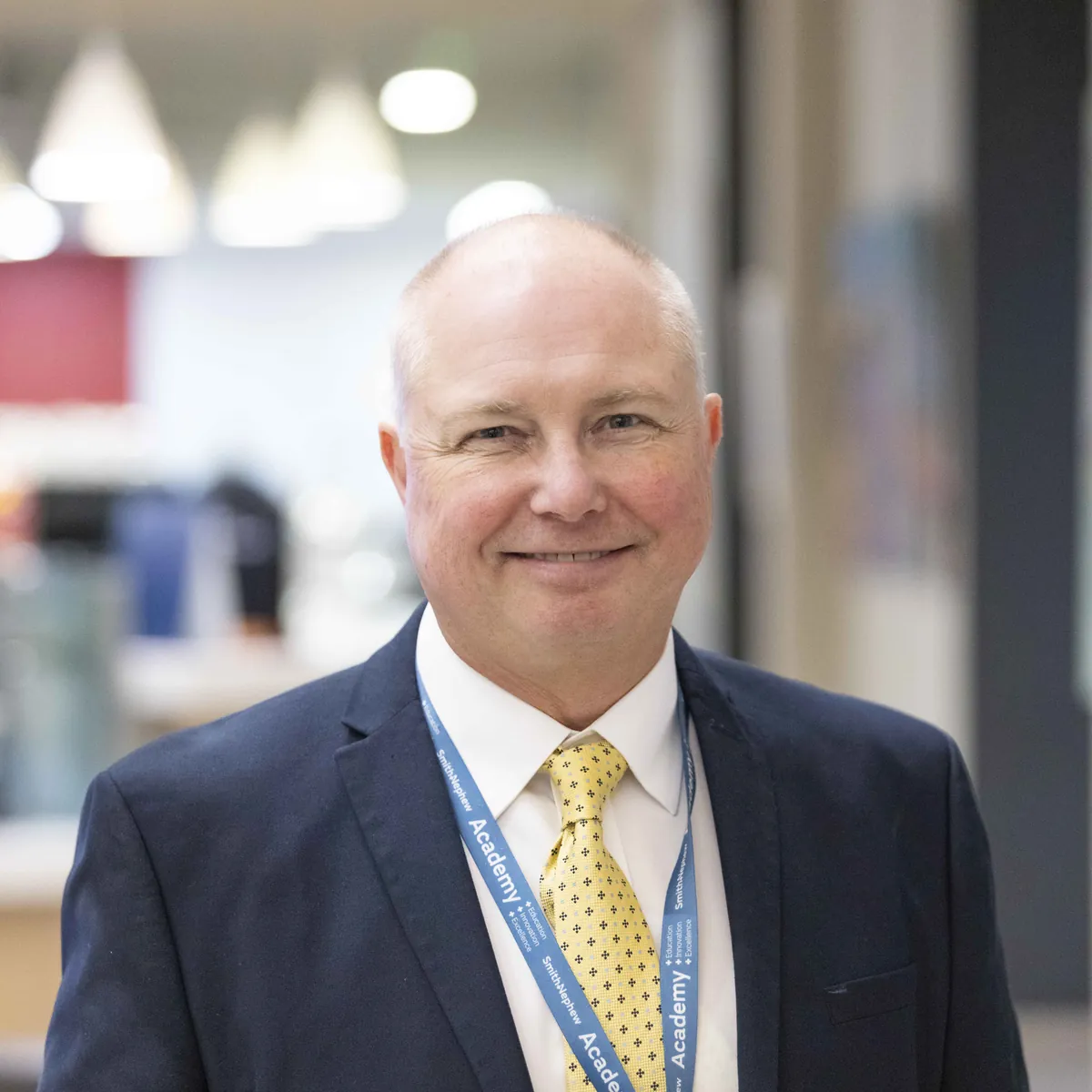
Mr Andrew Chambler
Consultant Shoulder and Elbow Surgeon since 2003
FRCS (Tr and Orth)
He sees you at every consultation and performs your operation. Around him is a small team you will meet along the way.

Radiologistscarry out imaging and guided injections.

Anaesthetistsplan your anaesthetic and nerve block and see you before the operation.

Physiotherapistsguide your rehabilitation, working to Mr Chambler's published protocols.

Pain managementspecialists are involved when it is needed.

Gail Lane's officehandles bookings, insurance and admissions.
Where it is done
Sulis Hospital Bath
Foxcote Avenue, Peasedown St John, Bath BA2 8SQ
Free parking on site.
From Bath: about 15 minutes from the city centre by car.
From Bristol: about 25 minutes from the city centre by car.
Bath Clinic, Circle Health Group
Claverton Down Road, Bath BA2 7BR
From Bath: about 10 minutes from the city centre by car, on Claverton Down.
From Bristol: about 35 minutes from the city centre by car via the A4.
St Joseph's Hospital, Newport
Harding Avenue, Malpas, Newport NP20 6ZE
Consultations for patients in South Wales.
From Bath: about an hour by car via the M4.
From Bristol: about 40 minutes by car over the Prince of Wales Bridge (M4).
Paying for treatment
Insured
Self-pay
NHS
Your self-pay quote is confirmed in writing after your consultation, once the type of repair is agreed.
How soon can I be seen?
New patients are usually seen within one to two weeks.
Updated November 2026
Questions patients ask
Will I need a GP referral?
If you are insured, your insurer will usually ask for a GP referral before authorising treatment. If you are paying for yourself, Gail can tell you whether a referral letter is needed and what to bring.
What is Regeneten?
Regeneten is a thin implant made from collagen that is placed over the repaired tendon. It is designed to support the body’s own healing. Mr Chambler can explain whether it suits your tear and what the evidence currently shows.
Do all tears need surgery?
No. Many tears, particularly those that develop with age, are managed with physiotherapy. Surgery is more often considered after an injury or when weakness persists.
How long will I be in a sling?
Typically four to six weeks, depending on the size of the tear and the repair. Your physiotherapist guides when to come out of it.
What if I live in Bristol?
Sulis Hospital is about 25 minutes from central Bristol by car, with free parking. Many patients travel from Bristol, Somerset and Wiltshire for consultations and surgery.
Can I have it done on the NHS with Mr Chambler?
NHS treatment is arranged through a GP referral. Gail can explain the current options when you get in touch.
Talk to us about your shoulder
Gail Lane, Mr Chambler's practice manager, replies within one working day.


